

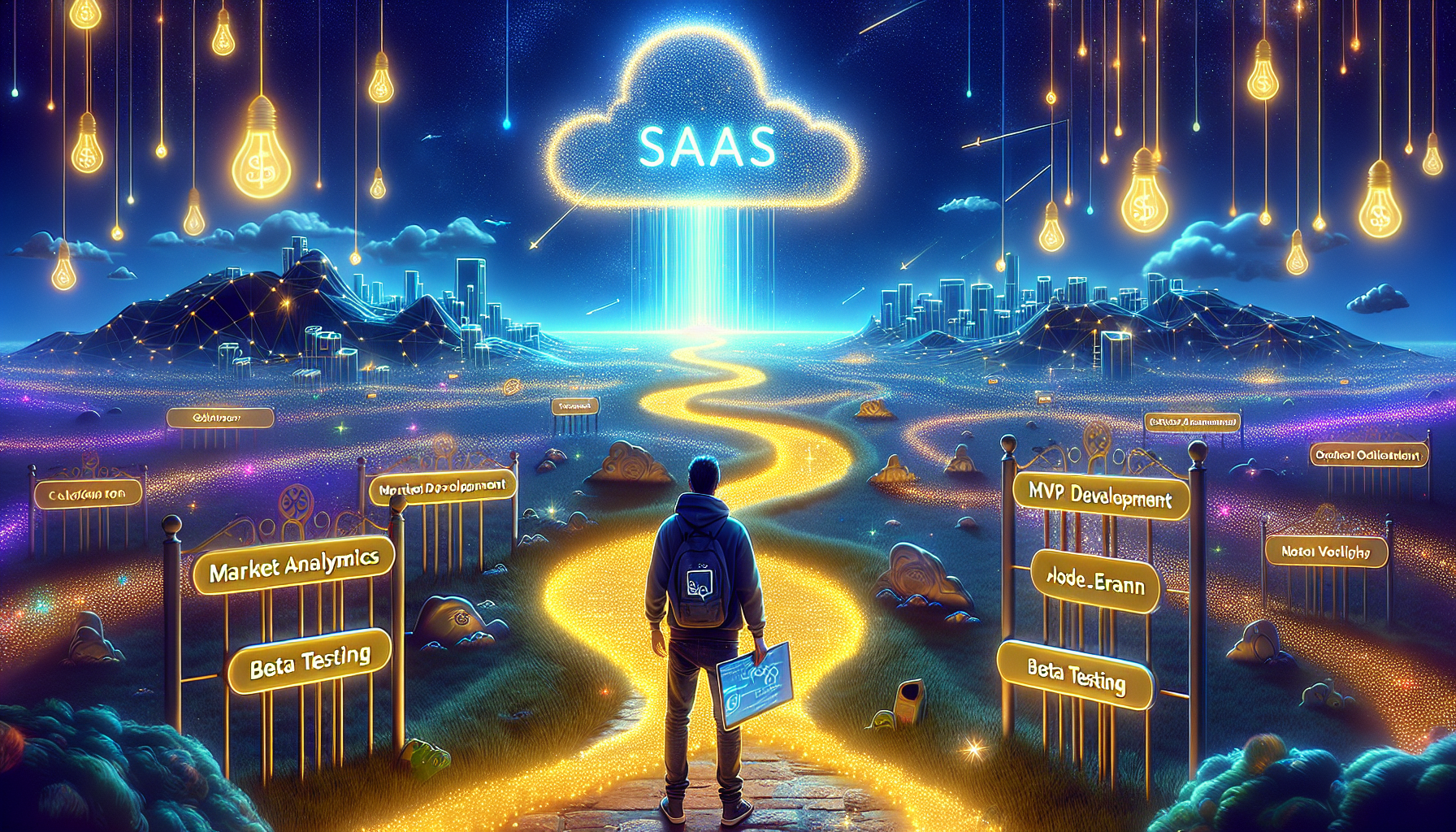
In recent years, there's been a noticeable shift in the tech landscape. The rise of solo SaaS founders has been nothing short of remarkable. As someone who's been through the grind, I've seen firsthand the challenges and victories that come with launching a SaaS product. With 2025 on the horizon, I'm excited to share a roadmap that I believe could help solo developers turn their vision into a profitable SaaS enterprise.
Choosing the Right Tech Stack for Speed and Scalability
When it comes to selecting a tech stack, speed, and scalability are your best friends. For a solo developer, I've found that a combination of JavaScript or TypeScript with Node.js offers a great balance. Why? Because they allow you to handle both the front-end and back-end smoothly, keeping your project agile.
Consider using TypeScript for its static type checking. It's a game-changer for catching errors early and ensuring code quality. Here's a simple TypeScript example:
interface User {
  name: string
  age: number
}

function greet(user: User) {
  console.log(`Hello, ${user.name}`)
}

greet({ name: 'Milad', age: 30 }) // Correct usage
Node.js is invaluable for its vast ecosystem and the npm package manager. For instance, to set up an Express server, you'd typically start with:
const express = require('express')
const app = express()

app.get('/', (req, res) => {
  res.send('Hello World!')
})

app.listen(3000, () => {
  console.log('Server is running on port 3000')
})
This simplicity and efficiency are why I lean towards these technologies.
Building Your MVP: Key Features vs. Nice-to-Haves
An MVP (Minimum Viable Product) is your first step to market — don't overload it. Focus on key features that solve the core problem for your users. Every feature beyond this should be considered a nice-to-have and can wait. Remember, feedback is gold. Launch fast, iterate based on user feedback.
From Developer to Marketer: Acquiring Your First 100 Users
Transitioning from developer to marketer can be daunting, but it's essential. Start by leveraging your personal and professional networks. Create content around your product's niche and share it on platforms like LinkedIn, Twitter, and relevant forums. Early users are often more willing to give feedback, so engage with them genuinely.
Monetization Strategies for Early-Stage SaaS Products
Monetization is crucial from the start. Consider a freemium model with premium features or a free trial period to entice users. Early-stage, focus on proving value to convert those users into paying customers. Clear, simple pricing tiers are key.
Automating Your SaaS: Essential Tools for Solo Founders
Automation is your friend. Use tools like GitHub Actions for CI/CD processes, which can automate testing and deployment. Also, consider Zapier for connecting different services without having to write custom integration code. Automation helps you focus more on product development and less on repetitive tasks.
Scaling Challenges: When and How to Expand Your Team
As your SaaS grows, so will the demands on your time and skills. Initially, you might handle everything, but there comes a point when you need to delegate. Start with freelance contractors for tasks outside your expertise. Over time, you might consider hiring full-time team members for key roles.
Conclusion: The Future of Solo-Founded SaaS Enterprises
The journey from a solo developer to a successful SaaS founder is filled with challenges and learning opportunities. By choosing the right tech stack, focusing on your MVP, and gradually scaling your operations, you can navigate these complexities. The future is bright for solo founders. With determination, flexibility, and a willingness to learn, launching a profitable SaaS in 2025 is well within your reach. Remember, every big SaaS company started with a single step. Yours begins now.