Writing
Embracing the Shift: Migrating from REST to GraphQL for Optimized Data Fetching


Milad Ezzat
@miladezzat12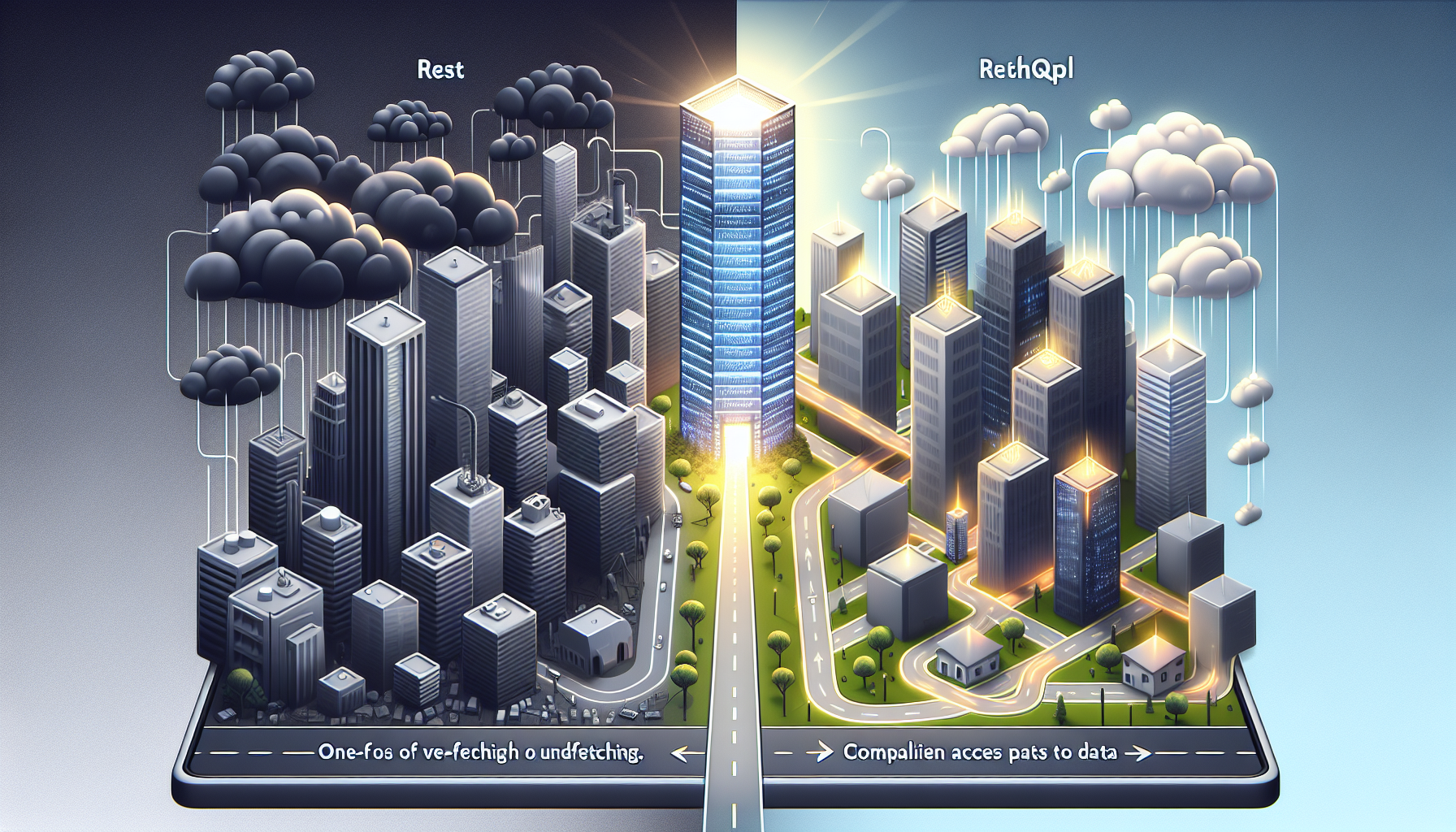
In the ever-evolving landscape of web development, efficiency and optimization remain paramount, especially when it comes to data fetching. As a seasoned software engineer, I've navigated the transition from using RESTful APIs to adopting GraphQL in several projects. This journey, while challenging, has significantly improved the performance of applications I've worked on and streamlined the development process. In this article, I aim to share insights and practical advice on migrating from REST to GraphQL, enhancing your application's data fetching capabilities and overall user experience.
Introduction to REST and Its Limitations
REST (Representational State Transfer) has been the cornerstone of web API design for years. It uses HTTP requests to perform CRUD operations (Create, Read, Update, Delete) on resources, identified by URLs. Despite its widespread adoption, REST comes with limitations that can hinder application scalability and performance. These include over-fetching and under-fetching of data, leading to inefficient network requests, and the complexity of managing multiple endpoints for different data shapes.
Why GraphQL Represents the Future of APIs
GraphQL, developed by Facebook in 2012 and open-sourced in 2015, addresses many of REST's shortcomings. It allows clients to request exactly the data they need, reducing over-fetching and under-fetching issues. Additionally, GraphQL's single endpoint simplifies API management and improves development velocity. Its capability to fetch data from multiple sources in a single request optimizes network performance, making it a compelling choice for modern web applications.
Step-by-Step Guide to Migrating from REST to GraphQL
Migrating from REST to GraphQL is a strategic process that requires careful planning and execution. Here's a practical guide based on my experience:
-
Understand Your Data and Schema: Begin by analyzing your current REST API endpoints and the data structures they return. This understanding is crucial for defining your GraphQL schema.
const typeDefs = ` type Query { user(id: ID!): User } type User { id: ID! name: String email: String } ` -
Set Up a GraphQL Server: Choose a GraphQL server library compatible with your backend framework. For Node.js,
apollo-serveris a popular choice.const { ApolloServer, gql } = require('apollo-server') const typeDefs = gql` type Query { user(id: ID!): User } type User { id: ID! name: String email: String } ` const resolvers = { Query: { user: (_, { id }) => fetchUserById(id), }, } const server = new ApolloServer({ typeDefs, resolvers }) server.listen().then(({ url }) => { console.log(`🚀 Server ready at ${url}`) }) -
Define Resolvers: Resolvers are functions that connect your GraphQL schema to the data sources. Map each field in your schema to a resolver function that fetches the data.
const resolvers = { Query: { user: (_, { id }) => fetchUserById(id), }, } -
Iterate and Test: Use tools like Apollo Studio or GraphQL Playground to test your queries and ensure they return the expected data.
-
Gradually Migrate Features: Start by migrating less complex features or endpoints. This incremental approach allows you to solve problems without overwhelming your team or disrupting the user experience.
-
Educate Your Team: Ensure your development team is up to speed with GraphQL concepts and practices. This might involve workshops, documentation, or pair programming sessions.
Real-World Benefits and Challenges Post-Migration
Benefits
- Efficient Data Fetching: GraphQL's ability to fetch exactly what's needed has significantly reduced bandwidth usage and improved application performance.
- Simplified Data Aggregation: Combining data from multiple sources into a single request streamlines frontend development and reduces server load.
- Developer Experience: The strong typing, introspection, and tooling around GraphQL have enhanced developer productivity and happiness.
Challenges
- Learning Curve: GraphQL introduces new concepts and abstractions, which can be daunting for teams accustomed to REST.
- Caching Complexity: Caching in GraphQL can indeed be more complex due to its single endpoint approach and the dynamic nature of queries. However, with more sophisticated strategies like query normalization and the use of tools like Apollo Client, which offers built-in caching capabilities, effective caching solutions can be achieved, albeit with a bit more effort compared to REST.
Conclusion
The migration from REST to GraphQL can be a transformative process for your applications, offering substantial benefits in data fetching efficiency and developer experience. While the transition involves a learning curve and necessitates a strategic approach, the long-term gains in performance and scalability are well worth the effort. By understanding the limitations of REST, embracing the power of GraphQL, and following a step-by-step migration strategy, you can position your applications for future success in the competitive landscape of web development.