Writing
The Epic Quest for the Ultimate Side Project: A Developer's Tale of Triumph


Milad Ezzat
@miladezzat12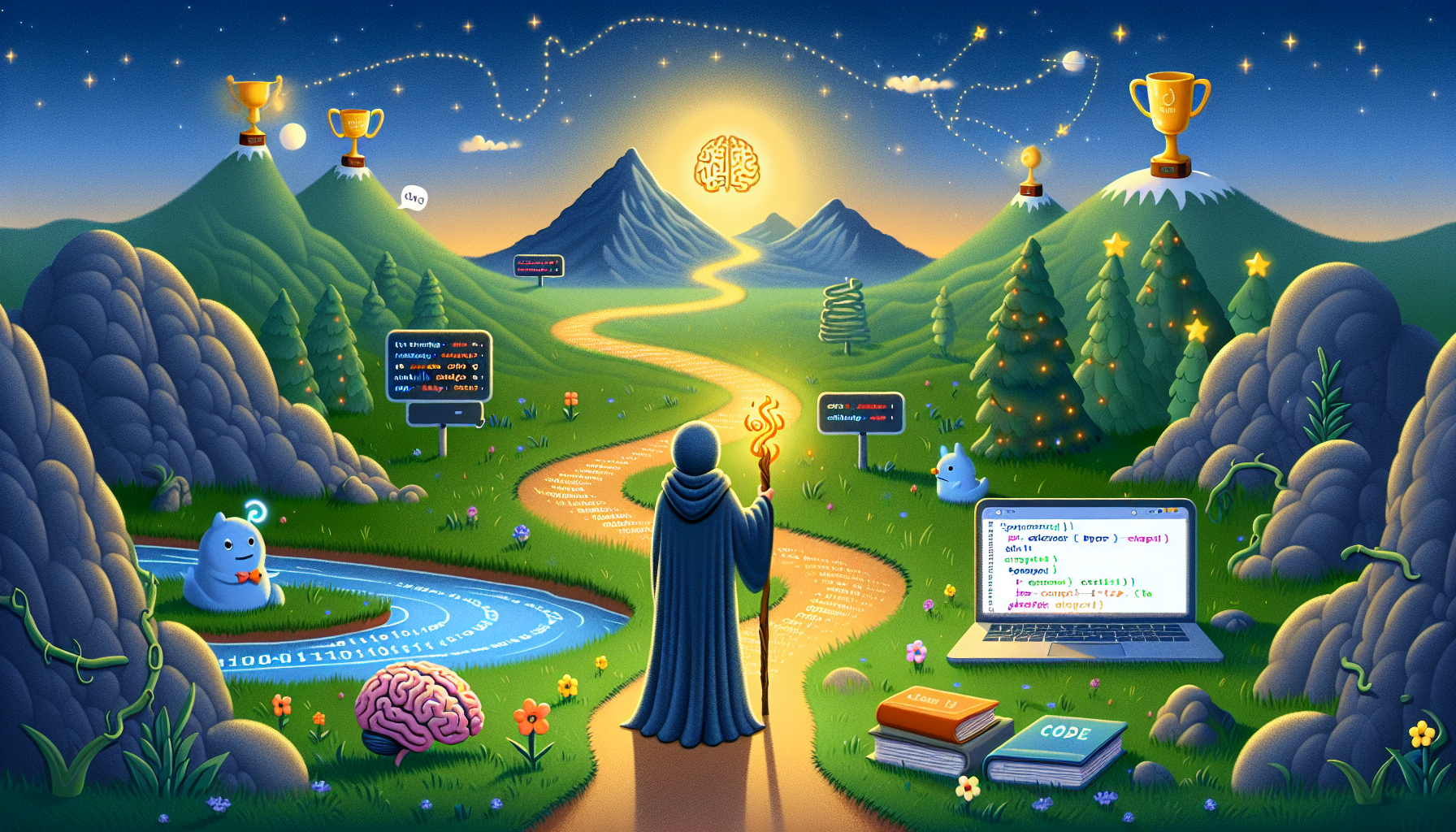
In the grand annals of software development, many a developer has embarked upon the epic quest for the ultimate side project. It's a tale as old as time, filled with heroic feats of debugging, treacherous encounters with scope creep, and, if the fates allow, the sweet triumph of a successful commit. I, Milad, am no different. My journey through the realms of code, collaboration, and creativity has been a rollercoaster of emotions, learning, and, most importantly, fun. Join me as I recount my adventures in the hope that you, too, might be inspired to embark on your own developer's quest.
Chapter 1: The Spark - Finding Your Side Project Muse
Every epic tale begins with a spark, a moment of inspiration that sets the stage for the journey ahead. My spark came on a lazy Sunday afternoon, amidst a sea of open browser tabs and half-read articles on the latest tech trends. It was then that I realized my passion for creating something that not only solved a problem but also allowed me to experiment with new technologies. For me, that was developing a chat application that could translate messages in real-time, allowing people from different parts of the world to communicate without a language barrier.
Choosing the Right Tech Stack
// Initial setup for a basic server using Node.js and Express
const express = require('express')
const app = express()

app.get('/', (req, res) => {
  res.send('Hello World!')
})

app.listen(process.env.PORT || 3000, () => {
  console.log('Server running on port ' + (process.env.PORT || 3000))
})
This snippet marked the humble beginnings of my project. The choice of Node.js was a no-brainer due to its event-driven, non-blocking I/O model, which provides a solid foundation for web applications requiring efficient data processing. For handling multiple chat connections in real-time, integrating a library like Socket.IO is essential. Express, a web application framework for Node.js, not only made setting up the server a breeze but also offered a robust set of features for managing routes, handling requests, and integrating middleware, which were invaluable for building my application.
Chapter 2: The Toolbox Odyssey - Selecting Your Weapons of Creation
The right tools can make or break your quest. For me, navigating the vast landscape of libraries and frameworks was akin to choosing my weapons and armor before heading into battle. I settled on React for the frontend, drawn to its component-based architecture, efficient update and rendering system, JSX syntax, vibrant ecosystem, and strong community support. On the backend, I opted for Socket.IO for real-time communication, a crucial component for my chat application.
Chapter 3: Battles and Triumphs - Coding Challenges and Overcoming Them
Every developer knows that with great power (read: features) comes great responsibility (read: bugs). One of my biggest challenges was implementing the real-time translation feature. I decided to use the Google Cloud Translation API, which meant diving into documentation and understanding quotas and rate limits.
Implementing Real-Time Translation
Before diving into the code, ensure you have installed the '@google-cloud/translate' package and set up authentication according to Google Cloud's documentation. This setup is crucial for using the API correctly and securely.
// Sample code for integrating Google Cloud Translation API
const { Translate } = require('@google-cloud/translate')

const translate = new Translate({ projectId: 'your-project-id' })

async function translateText(text, targetLanguage) {
  try {
    let [translation] = await translate.translate(text, targetLanguage)
    console.log(`Translated text: ${translation}`)
  } catch (error) {
    console.error(`Failed to translate text: ${error.message}`)
  }
}

translateText('Hello, world!', 'es') // Translates text to Spanish
This function was a game-changer, allowing users to send messages in their native language and have them translated on the fly.
Chapter 4: The Fellowship of the Code - Collaborating and Contributing to Open Source
No developer is an island, and I quickly realized the value of collaboration. By making my project open source, I invited other adventurers to join me, contributing their unique skills and perspectives. This not only improved the project but also taught me the importance of clear documentation and constructive feedback.
Chapter 5: From Code to Gold - Monetizing Your Side Project
While the love of coding was my primary motivator, the prospect of monetization lingered in the back of my mind. I explored various avenues, from offering premium features to accepting donations. The key was finding a balance that kept the project accessible while also providing value for those willing to support it financially.
Chapter 6: The Scribe's Path - Blogging Your Journey and Sharing Wisdom
Documenting my journey through blog posts and tutorials became an unexpected joy. Not only did it help others who were embarking on similar quests, but it also allowed me to reflect on my progress and the lessons learned along the way.
Chapter 7: Epilogue - The Never-Ending Quest for the Next Big Idea
The completion of one project merely marks the beginning of another. The quest for the ultimate side project is never truly over, as each adventure offers new insights, challenges, and opportunities for growth.
In the end, the journey taught me more about perseverance, creativity, and the power of community than I could have ever imagined. Whether you're a seasoned developer or just starting out, I hope my tale inspires you to take the first step on your own epic quest. Remember, the path may be fraught with errors and exceptions, but the reward of bringing your vision to life is unparalleled.
And so, fellow developers, I leave you with this: embrace the challenges, celebrate the victories, and never stop coding. Your ultimate side project awaits.